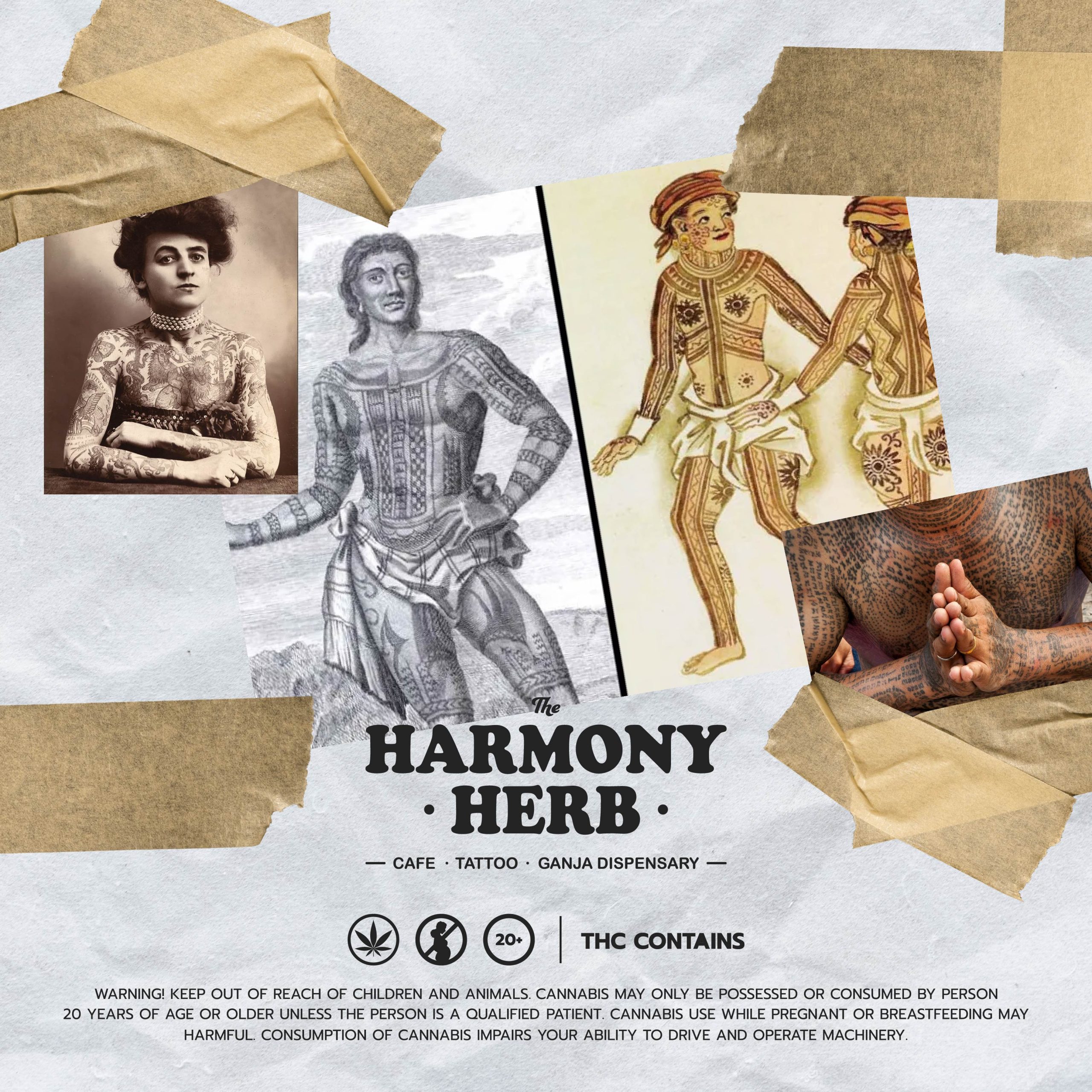
A tattoo is a form of body art created by inserting ink into the skin's dermis layer. Tattoos can be permanent or temporary, depending on the method used. Here are some key points about tattoos:
- History and Culture: Tattoos have been practiced for thousands of years across various cultures for different purposes, including spiritual beliefs, rites of passage, and personal expression.
- Designs: Tattoo designs can vary widely, from simple symbols to intricate artwork, and they can represent personal beliefs, memories, or aesthetics.
- Technique: Tattoos are typically applied using a tattoo machine that punctures the skin and injects ink. Different techniques and tools can produce various styles, such as traditional, realistic, watercolor, or tribal.
- Placement: Tattoos can be placed almost anywhere on the body, and their visibility often plays a role in the decision to get one.
- Aftercare: Proper aftercare is crucial for healing and maintaining the quality of the tattoo. This often includes keeping the area clean, moisturized, and protected from the sun.
- Removal: While tattoos are considered permanent, there are methods for removal, such as laser treatments, though these can be costly and may not fully erase the design.
- Personal Meaning: Many people choose tattoos to commemorate significant life events, express their identity, or simply for aesthetic enjoyment.
Tattoos can be deeply personal and carry different meanings for different people, making them a unique form of self-expression.
The history of tattoos is rich and varied, spanning thousands of years and many cultures around the world. Here are some key points in the history of tattooing:
Ancient Beginnings
- Neolithic Era: The earliest evidence of tattooing dates back to around 5,000 to 7,000 years ago. Ötzi the Iceman, a naturally mummified man found in the Alps, was discovered with 61 tattoos, believed to be related to therapeutic practices.
Ancient Civilizations
- Egyptians: Tattoos were found on mummies dating back to around 2000 BCE. They were often associated with fertility and protection.
- Polynesia: Tattooing has a long history in Polynesian cultures, where tattoos (known as "tatau") carry significant cultural meaning and are considered rites of passage.
- Japan: Tattooing in Japan has roots in both aesthetic and practical applications, evolving from early punishment marks to elaborate body art seen in the ukiyo-e style.
Middle Ages to Renaissance
- Europe: In medieval Europe, tattoos were often associated with sailors and criminals. They were sometimes used for identification or as a mark of disgrace.
- Renaissance: The interest in tattoos was revived during the Age of Exploration when European sailors returned with stories and tattoos from indigenous cultures.
19th Century
- Circus and Sideshow: Tattoos became popular in circuses and sideshows, where tattooed performers showcased their body art as part of their act.
- Tattoo Machines: In 1891, Samuel O'Reilly patented the first electric tattoo machine, which revolutionized the tattooing process, making it faster and more precise.
20th Century
- Subcultures: Tattoos became associated with various subcultures, including bikers and punk rockers, often as symbols of rebellion and identity.
- Mainstream Acceptance: In the late 20th century, tattoos gained popularity among the general public, with celebrities and athletes sporting visible tattoos.
21st Century
- Art and Personal Expression: Today, tattoos are widely accepted as a form of personal expression and art. Artists have developed intricate styles and techniques, and tattoo conventions celebrate the craft.
- Cultural Significance: Many people now choose tattoos that reflect personal beliefs, heritage, and life experiences, while discussions about cultural appropriation in tattoo art have emerged.
Overall, tattoos have evolved from ancient traditions to contemporary art forms, each with its unique significance and meaning across different cultures.
CONTACT US VIA : https://www.instagram.com/harmonyherb.thailand/
A tattoo is a form of body art created by inserting ink into the skin's dermis layer. Tattoos can be permanent or temporary, depending on the method used. Here are some key points about tattoos:
- History and Culture: Tattoos have been practiced for thousands of years across various cultures for different purposes, including spiritual beliefs, rites of passage, and personal expression.
- Designs: Tattoo designs can vary widely, from simple symbols to intricate artwork, and they can represent personal beliefs, memories, or aesthetics.
- Technique: Tattoos are typically applied using a tattoo machine that punctures the skin and injects ink. Different techniques and tools can produce various styles, such as traditional, realistic, watercolor, or tribal.
- Placement: Tattoos can be placed almost anywhere on the body, and their visibility often plays a role in the decision to get one.
- Aftercare: Proper aftercare is crucial for healing and maintaining the quality of the tattoo. This often includes keeping the area clean, moisturized, and protected from the sun.
- Removal: While tattoos are considered permanent, there are methods for removal, such as laser treatments, though these can be costly and may not fully erase the design.
- Personal Meaning: Many people choose tattoos to commemorate significant life events, express their identity, or simply for aesthetic enjoyment.
Tattoos can be deeply personal and carry different meanings for different people, making them a unique form of self-expression.
The history of tattoos is rich and varied, spanning thousands of years and many cultures around the world. Here are some key points in the history of tattooing:
Ancient Beginnings
- Neolithic Era: The earliest evidence of tattooing dates back to around 5,000 to 7,000 years ago. Ötzi the Iceman, a naturally mummified man found in the Alps, was discovered with 61 tattoos, believed to be related to therapeutic practices.
Ancient Civilizations
- Egyptians: Tattoos were found on mummies dating back to around 2000 BCE. They were often associated with fertility and protection.
- Polynesia: Tattooing has a long history in Polynesian cultures, where tattoos (known as "tatau") carry significant cultural meaning and are considered rites of passage.
- Japan: Tattooing in Japan has roots in both aesthetic and practical applications, evolving from early punishment marks to elaborate body art seen in the ukiyo-e style.
Middle Ages to Renaissance
- Europe: In medieval Europe, tattoos were often associated with sailors and criminals. They were sometimes used for identification or as a mark of disgrace.
- Renaissance: The interest in tattoos was revived during the Age of Exploration when European sailors returned with stories and tattoos from indigenous cultures.
19th Century
- Circus and Sideshow: Tattoos became popular in circuses and sideshows, where tattooed performers showcased their body art as part of their act.
- Tattoo Machines: In 1891, Samuel O'Reilly patented the first electric tattoo machine, which revolutionized the tattooing process, making it faster and more precise.
20th Century
- Subcultures: Tattoos became associated with various subcultures, including bikers and punk rockers, often as symbols of rebellion and identity.
- Mainstream Acceptance: In the late 20th century, tattoos gained popularity among the general public, with celebrities and athletes sporting visible tattoos.
21st Century
- Art and Personal Expression: Today, tattoos are widely accepted as a form of personal expression and art. Artists have developed intricate styles and techniques, and tattoo conventions celebrate the craft.
- Cultural Significance: Many people now choose tattoos that reflect personal beliefs, heritage, and life experiences, while discussions about cultural appropriation in tattoo art have emerged.
Overall, tattoos have evolved from ancient traditions to contemporary art forms, each with its unique significance and meaning across different cultures.
CONTACT US VIA : https://www.instagram.com/harmonyherb.thailand/