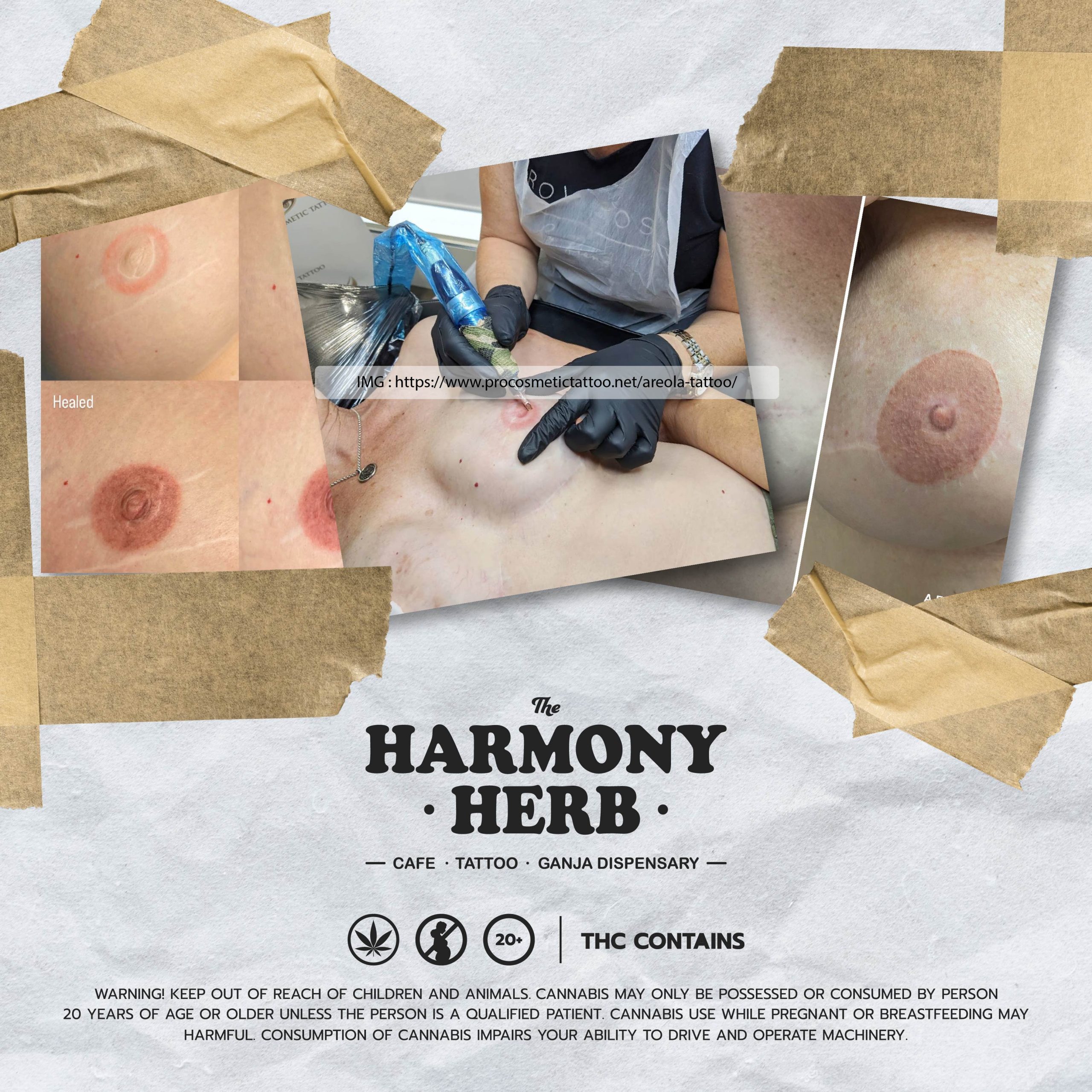
Tattooing nipples is often done as part of reconstructive surgery, especially for individuals who have undergone mastectomies due to breast cancer. This process, known as 3D nipple and areola tattooing, creates a realistic appearance of the nipple and areola. Here's a breakdown:
1. Why It’s Done
- Breast Reconstruction: After mastectomy or breast reconstruction surgery, nipples may be lost or their appearance significantly altered. Tattooing can help restore a sense of normalcy and boost self-esteem.
- Aesthetic Purposes: Some people opt for nipple tattooing to enhance the shape, size, or symmetry of their nipples for cosmetic reasons.
2. How It Works
- 3D Nipple Tattooing: Using specialized pigments, an experienced tattoo artist or medical professional can create a tattoo that mimics the appearance of a natural nipple and areola, including color variations and shadows to give it a 3D look.
- Micropigmentation: The procedure is similar to permanent makeup or paramedical tattooing, where the ink is inserted into the dermal layer of the skin using needles.
3. The Procedure
- Consultation: The tattoo artist discusses the size, shape, and color preferences.
- Tattooing: The process usually takes 1-2 hours. A topical anesthetic may be applied to reduce discomfort.
- Healing: It can take a few weeks for the tattoo to heal, during which time there may be scabbing and color changes.
4. Safety and Risks
- Sanitary Conditions: Always choose a licensed and experienced professional to minimize the risk of infections.
- Fading: Tattooed nipples may fade over time, requiring touch-ups.
- Allergies or Complications: Some people may have allergic reactions to tattoo ink, though this is rare.
5. Who Does the Tattooing?
- Tattoo Artists: Professionals skilled in cosmetic or paramedical tattooing, especially those with experience in 3D nipple tattoos.
- Medical Professionals: Some plastic surgeons and dermatologists offer this service.
Tattooing the nipple can be uncomfortable, but the level of pain varies from person to person. Here's what you can expect regarding pain:
1. Sensitivity of the Area
- The nipple and areola area can be quite sensitive, so some discomfort is common during the tattooing process.
- If the nipple has been surgically reconstructed (after a mastectomy, for example), the sensation in that area might be reduced, making the procedure less painful.
2. Use of Numbing Cream
- Many professionals apply a topical anesthetic (numbing cream) before tattooing to reduce pain, making the experience more comfortable.
- If pain is a concern, ask your artist or medical professional whether they use numbing agents.
3. Pain Tolerance
- Everyone’s pain tolerance is different. Some people describe the sensation as a mild scratching, while others feel more discomfort.
- The pain tends to lessen as the skin gets used to the process.
4. Post-Procedure Sensitivity
- After the tattooing, the area may be sore, similar to how skin feels after any tattoo.
- Mild swelling or tenderness is normal, and the pain typically subsides as the area heals.
If you're worried about the pain, discussing it with your tattoo artist or medical professional beforehand can help you prepare!
EXPERT : https://www.procosmetictattoo.net/areola-tattoo/
การสักหัวนมมักจะทำเป็นส่วนหนึ่งของการผ่าตัดเพื่อการสร้างใหม่ โดยเฉพาะสำหรับผู้ที่ผ่านการผ่าตัดเต้านมออกจากการเป็นมะเร็งเต้านม กระบวนการนี้เรียกว่า การสักหัวนมและลานนมแบบ 3 มิติ ซึ่งทำให้หัวนมและลานนมดูสมจริง นี่คือรายละเอียด:
1. เหตุผลที่ทำ
- การสร้างเต้านมใหม่: หลังจากการผ่าตัดเต้านมหรือการสร้างเต้านมใหม่ หัวนมอาจหายไปหรือมีการเปลี่ยนแปลงลักษณะไปอย่างมาก การสักหัวนมช่วยคืนความรู้สึกถึงความเป็นปกติและเสริมสร้างความมั่นใจ
- เพื่อความสวยงาม: บางคนเลือกที่จะสักหัวนมเพื่อปรับปรุงรูปร่าง ขนาด หรือความสมมาตรของหัวนมเพื่อเหตุผลด้านความงาม
2. วิธีการทำงาน
- การสักหัวนมแบบ 3 มิติ: โดยใช้สีหมึกเฉพาะทาง ช่างสักที่มีประสบการณ์หรือผู้เชี่ยวชาญทางการแพทย์สามารถสร้างรอยสักที่เลียนแบบหัวนมและลานนมธรรมชาติ รวมถึงการใช้สีที่หลากหลายและการแรเงาเพื่อให้ดูเป็นสามมิติ
- ไมโครพิกเมนเทชัน: ขั้นตอนนี้คล้ายกับการแต่งหน้าถาวรหรือการสักเพื่อการแพทย์ ซึ่งหมึกจะถูกใส่เข้าไปในชั้นผิวหนังด้วยเข็ม
3. ขั้นตอน
- การปรึกษา: ช่างสักจะพูดคุยเกี่ยวกับขนาด รูปร่าง และสีที่คุณต้องการ
- การสัก: กระบวนการใช้เวลาประมาณ 1-2 ชั่วโมง และอาจมีการทายาชาเฉพาะที่เพื่อลดความไม่สบาย
- การรักษา: กระบวนการฟื้นฟูใช้เวลาหลายสัปดาห์ ระหว่างนี้อาจมีการตกสะเก็ดและการเปลี่ยนสีของรอยสัก
4. ความปลอดภัยและความเสี่ยง
- สภาวะที่สะอาด: ควรเลือกช่างสักที่มีใบอนุญาตและมีประสบการณ์เพื่อหลีกเลี่ยงความเสี่ยงของการติดเชื้อ
- การจางของรอยสัก: รอยสักที่หัวนมอาจจางลงตามเวลาและอาจต้องการการเติมสีใหม่
- อาการแพ้หรือภาวะแทรกซ้อน: บางคนอาจมีอาการแพ้ต่อหมึกสัก ซึ่งเป็นกรณีที่พบได้ไม่บ่อย
5. ใครเป็นผู้ทำการสัก
- ช่างสัก: ผู้เชี่ยวชาญที่มีทักษะในด้านการสักเพื่อความงามหรือการแพทย์ โดยเฉพาะผู้ที่มีประสบการณ์ในการสักหัวนมแบบ 3 มิติ
- ผู้เชี่ยวชาญทางการแพทย์: ศัลยแพทย์พลาสติกบางคนและแพทย์ผิวหนังบางท่านก็ให้บริการนี้เช่นกัน
การสักบริเวณหัวนมอาจทำให้รู้สึกไม่สบายบ้าง แต่ความเจ็บปวดจะแตกต่างกันไปในแต่ละคน ขึ้นอยู่กับปัจจัยหลายอย่าง:
1. ความไวต่อความรู้สึกของบริเวณหัวนม
- บริเวณหัวนมและลานนมเป็นส่วนที่มีความไวต่อความรู้สึกสูง ดังนั้นจึงเป็นเรื่องปกติที่จะรู้สึกไม่สบายระหว่างการสัก
- ถ้าหัวนมถูกสร้างขึ้นใหม่จากการผ่าตัด (เช่น หลังการผ่าตัดมะเร็งเต้านม) ความรู้สึกในบริเวณนั้นอาจจะลดลง ซึ่งอาจทำให้รู้สึกเจ็บน้อยลงระหว่างการสัก
2. การใช้ยาชาเฉพาะที่
- ผู้เชี่ยวชาญหลายคนจะทายาชาชนิดทา (ครีมชา) บริเวณหัวนมก่อนการสักเพื่อช่วยลดความเจ็บปวดและทำให้รู้สึกสบายมากขึ้น
- หากคุณกังวลเรื่องความเจ็บปวด สามารถสอบถามช่างสักหรือผู้เชี่ยวชาญทางการแพทย์ได้ว่ามีการใช้ยาชาหรือไม่
3. ความทนทานต่อความเจ็บปวด
- ความทนทานต่อความเจ็บปวดของแต่ละคนไม่เหมือนกัน บางคนอาจรู้สึกเหมือนมีการขูดเบา ๆ ในขณะที่บางคนอาจรู้สึกไม่สบายมากกว่า
- ความเจ็บปวดมักจะลดลงเมื่อผิวหนังเริ่มชินกับกระบวนการสัก
4. ความไวต่อความรู้สึกหลังการสัก
- หลังจากสักเสร็จแล้ว บริเวณดังกล่าวอาจจะรู้สึกเจ็บหรือระบม คล้ายกับผิวหนังที่ถูกสักทั่วไป
- การบวมเล็กน้อยหรือความรู้สึกเจ็บเป็นเรื่องปกติ และความเจ็บปวดนี้จะลดลงเมื่อแผลเริ่มหาย
ถ้าคุณกังวลเกี่ยวกับความเจ็บปวด การพูดคุยกับช่างสักหรือผู้เชี่ยวชาญทางการแพทย์ก่อนการสักจะช่วยให้คุณเตรียมตัวได้ดีขึ้นครับ!
ผู้เชี่ยวชาญ : https://www.procosmetictattoo.net/areola-tattoo/
CONTACT US VIA : https://www.instagram.com/harmonyherb.thailand/
Tattooing nipples is often done as part of reconstructive surgery, especially for individuals who have undergone mastectomies due to breast cancer. This process, known as 3D nipple and areola tattooing, creates a realistic appearance of the nipple and areola. Here's a breakdown:
1. Why It’s Done
- Breast Reconstruction: After mastectomy or breast reconstruction surgery, nipples may be lost or their appearance significantly altered. Tattooing can help restore a sense of normalcy and boost self-esteem.
- Aesthetic Purposes: Some people opt for nipple tattooing to enhance the shape, size, or symmetry of their nipples for cosmetic reasons.
2. How It Works
- 3D Nipple Tattooing: Using specialized pigments, an experienced tattoo artist or medical professional can create a tattoo that mimics the appearance of a natural nipple and areola, including color variations and shadows to give it a 3D look.
- Micropigmentation: The procedure is similar to permanent makeup or paramedical tattooing, where the ink is inserted into the dermal layer of the skin using needles.
3. The Procedure
- Consultation: The tattoo artist discusses the size, shape, and color preferences.
- Tattooing: The process usually takes 1-2 hours. A topical anesthetic may be applied to reduce discomfort.
- Healing: It can take a few weeks for the tattoo to heal, during which time there may be scabbing and color changes.
4. Safety and Risks
- Sanitary Conditions: Always choose a licensed and experienced professional to minimize the risk of infections.
- Fading: Tattooed nipples may fade over time, requiring touch-ups.
- Allergies or Complications: Some people may have allergic reactions to tattoo ink, though this is rare.
5. Who Does the Tattooing?
- Tattoo Artists: Professionals skilled in cosmetic or paramedical tattooing, especially those with experience in 3D nipple tattoos.
- Medical Professionals: Some plastic surgeons and dermatologists offer this service.
Tattooing the nipple can be uncomfortable, but the level of pain varies from person to person. Here's what you can expect regarding pain:
1. Sensitivity of the Area
- The nipple and areola area can be quite sensitive, so some discomfort is common during the tattooing process.
- If the nipple has been surgically reconstructed (after a mastectomy, for example), the sensation in that area might be reduced, making the procedure less painful.
2. Use of Numbing Cream
- Many professionals apply a topical anesthetic (numbing cream) before tattooing to reduce pain, making the experience more comfortable.
- If pain is a concern, ask your artist or medical professional whether they use numbing agents.
3. Pain Tolerance
- Everyone’s pain tolerance is different. Some people describe the sensation as a mild scratching, while others feel more discomfort.
- The pain tends to lessen as the skin gets used to the process.
4. Post-Procedure Sensitivity
- After the tattooing, the area may be sore, similar to how skin feels after any tattoo.
- Mild swelling or tenderness is normal, and the pain typically subsides as the area heals.
If you're worried about the pain, discussing it with your tattoo artist or medical professional beforehand can help you prepare!
EXPERT : https://www.procosmetictattoo.net/areola-tattoo/
การสักหัวนมมักจะทำเป็นส่วนหนึ่งของการผ่าตัดเพื่อการสร้างใหม่ โดยเฉพาะสำหรับผู้ที่ผ่านการผ่าตัดเต้านมออกจากการเป็นมะเร็งเต้านม กระบวนการนี้เรียกว่า การสักหัวนมและลานนมแบบ 3 มิติ ซึ่งทำให้หัวนมและลานนมดูสมจริง นี่คือรายละเอียด:
1. เหตุผลที่ทำ
- การสร้างเต้านมใหม่: หลังจากการผ่าตัดเต้านมหรือการสร้างเต้านมใหม่ หัวนมอาจหายไปหรือมีการเปลี่ยนแปลงลักษณะไปอย่างมาก การสักหัวนมช่วยคืนความรู้สึกถึงความเป็นปกติและเสริมสร้างความมั่นใจ
- เพื่อความสวยงาม: บางคนเลือกที่จะสักหัวนมเพื่อปรับปรุงรูปร่าง ขนาด หรือความสมมาตรของหัวนมเพื่อเหตุผลด้านความงาม
2. วิธีการทำงาน
- การสักหัวนมแบบ 3 มิติ: โดยใช้สีหมึกเฉพาะทาง ช่างสักที่มีประสบการณ์หรือผู้เชี่ยวชาญทางการแพทย์สามารถสร้างรอยสักที่เลียนแบบหัวนมและลานนมธรรมชาติ รวมถึงการใช้สีที่หลากหลายและการแรเงาเพื่อให้ดูเป็นสามมิติ
- ไมโครพิกเมนเทชัน: ขั้นตอนนี้คล้ายกับการแต่งหน้าถาวรหรือการสักเพื่อการแพทย์ ซึ่งหมึกจะถูกใส่เข้าไปในชั้นผิวหนังด้วยเข็ม
3. ขั้นตอน
- การปรึกษา: ช่างสักจะพูดคุยเกี่ยวกับขนาด รูปร่าง และสีที่คุณต้องการ
- การสัก: กระบวนการใช้เวลาประมาณ 1-2 ชั่วโมง และอาจมีการทายาชาเฉพาะที่เพื่อลดความไม่สบาย
- การรักษา: กระบวนการฟื้นฟูใช้เวลาหลายสัปดาห์ ระหว่างนี้อาจมีการตกสะเก็ดและการเปลี่ยนสีของรอยสัก
4. ความปลอดภัยและความเสี่ยง
- สภาวะที่สะอาด: ควรเลือกช่างสักที่มีใบอนุญาตและมีประสบการณ์เพื่อหลีกเลี่ยงความเสี่ยงของการติดเชื้อ
- การจางของรอยสัก: รอยสักที่หัวนมอาจจางลงตามเวลาและอาจต้องการการเติมสีใหม่
- อาการแพ้หรือภาวะแทรกซ้อน: บางคนอาจมีอาการแพ้ต่อหมึกสัก ซึ่งเป็นกรณีที่พบได้ไม่บ่อย
5. ใครเป็นผู้ทำการสัก
- ช่างสัก: ผู้เชี่ยวชาญที่มีทักษะในด้านการสักเพื่อความงามหรือการแพทย์ โดยเฉพาะผู้ที่มีประสบการณ์ในการสักหัวนมแบบ 3 มิติ
- ผู้เชี่ยวชาญทางการแพทย์: ศัลยแพทย์พลาสติกบางคนและแพทย์ผิวหนังบางท่านก็ให้บริการนี้เช่นกัน
การสักบริเวณหัวนมอาจทำให้รู้สึกไม่สบายบ้าง แต่ความเจ็บปวดจะแตกต่างกันไปในแต่ละคน ขึ้นอยู่กับปัจจัยหลายอย่าง:
1. ความไวต่อความรู้สึกของบริเวณหัวนม
- บริเวณหัวนมและลานนมเป็นส่วนที่มีความไวต่อความรู้สึกสูง ดังนั้นจึงเป็นเรื่องปกติที่จะรู้สึกไม่สบายระหว่างการสัก
- ถ้าหัวนมถูกสร้างขึ้นใหม่จากการผ่าตัด (เช่น หลังการผ่าตัดมะเร็งเต้านม) ความรู้สึกในบริเวณนั้นอาจจะลดลง ซึ่งอาจทำให้รู้สึกเจ็บน้อยลงระหว่างการสัก
2. การใช้ยาชาเฉพาะที่
- ผู้เชี่ยวชาญหลายคนจะทายาชาชนิดทา (ครีมชา) บริเวณหัวนมก่อนการสักเพื่อช่วยลดความเจ็บปวดและทำให้รู้สึกสบายมากขึ้น
- หากคุณกังวลเรื่องความเจ็บปวด สามารถสอบถามช่างสักหรือผู้เชี่ยวชาญทางการแพทย์ได้ว่ามีการใช้ยาชาหรือไม่
3. ความทนทานต่อความเจ็บปวด
- ความทนทานต่อความเจ็บปวดของแต่ละคนไม่เหมือนกัน บางคนอาจรู้สึกเหมือนมีการขูดเบา ๆ ในขณะที่บางคนอาจรู้สึกไม่สบายมากกว่า
- ความเจ็บปวดมักจะลดลงเมื่อผิวหนังเริ่มชินกับกระบวนการสัก
4. ความไวต่อความรู้สึกหลังการสัก
- หลังจากสักเสร็จแล้ว บริเวณดังกล่าวอาจจะรู้สึกเจ็บหรือระบม คล้ายกับผิวหนังที่ถูกสักทั่วไป
- การบวมเล็กน้อยหรือความรู้สึกเจ็บเป็นเรื่องปกติ และความเจ็บปวดนี้จะลดลงเมื่อแผลเริ่มหาย
ถ้าคุณกังวลเกี่ยวกับความเจ็บปวด การพูดคุยกับช่างสักหรือผู้เชี่ยวชาญทางการแพทย์ก่อนการสักจะช่วยให้คุณเตรียมตัวได้ดีขึ้นครับ!
ผู้เชี่ยวชาญ : https://www.procosmetictattoo.net/areola-tattoo/
CONTACT US VIA : https://www.instagram.com/harmonyherb.thailand/