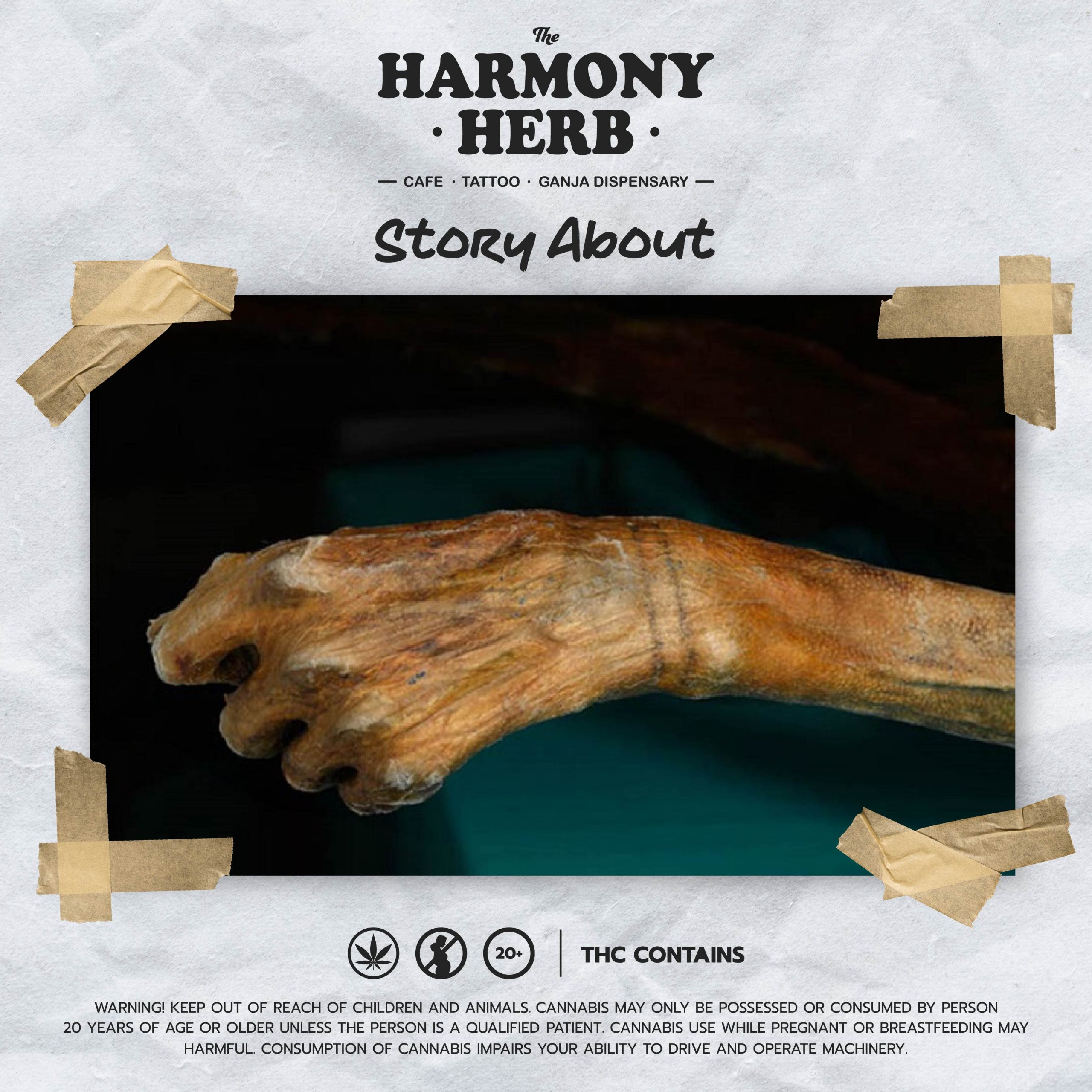
In ancient Egypt, tattoos had deep cultural, religious, and symbolic significance, with evidence dating back over 4,000 years. Tattoos were often used to convey spiritual beliefs, offer protection, and even serve medical or therapeutic purposes. Let's explore the context, meaning, and significance of tattoos in ancient Egyptian society.
Tattooing tools were typically made of bronze, wood, or bone, and the ink was derived from soot or other natural pigments. The designs were etched into the skin using fine needles, similar to tattooing methods in other ancient cultures.
Although more tattooed female mummies have been found, there is evidence that men also bore tattoos. Male tattoos seem to have had more military or status-related connotations, marking them as warriors or leaders. The designs on male mummies, such as those on the Gebelein Man, include depictions of animals and symbols of strength or protection.
Tattooing was likely seen as a marker of social or spiritual significance. While tattoos were closely associated with women, especially in connection to fertility, motherhood, and magic, men in certain societal roles, such as priests or warriors, might also have had specific tattoos linked to their positions.
For the Egyptians, who believed in an afterlife, tattoos may have also served as protection for the soul in the next world. Some scholars suggest that tattoos had connections to funerary rites and ensured that the wearer had the favor of specific deities in the afterlife.
In ancient Egypt, tattoos were far more than mere body art. They were sacred symbols of protection, health, fertility, and devotion to the gods, deeply embedded in the fabric of daily life, especially for women. The practice reveals the Egyptians’ connection to the spiritual and the physical realms, using body art as a medium to navigate life and the afterlife.
ใน อียิปต์โบราณ รอยสักมีความสำคัญทางวัฒนธรรม ศาสนา และสัญลักษณ์อย่างลึกซึ้ง โดยมีหลักฐานย้อนหลังไปมากกว่า 4,000 ปี รอยสักถูกใช้เพื่อแสดงความเชื่อทางวิญญาณ เสริมสร้างความคุ้มครอง และบางครั้งก็ใช้เพื่อการรักษาทางการแพทย์หรือวัตถุประสงค์ในการบำบัด มาดูกันว่ารอยสักในสังคมอียิปต์โบราณมีความหมายและบทบาทอย่างไร
เครื่องมือที่ใช้ในการสักมักทำจาก สำริด ไม้ หรือ กระดูก หมึกที่ใช้มักจะทำจาก เขม่าควัน หรือเม็ดสีธรรมชาติอื่น ๆ ลายสักถูกวาดลงบนผิวด้วยเข็มขนาดเล็ก ซึ่งคล้ายกับวิธีการสักในวัฒนธรรมโบราณอื่น ๆ
แม้ว่าจะมีการพบมัมมี่ผู้หญิงที่มีรอยสักมากกว่า แต่ก็มีหลักฐานว่าผู้ชายก็มีรอยสักเช่นกัน รอยสักของผู้ชายดูเหมือนจะมีความเกี่ยวข้องกับ การทหาร หรือ สถานะทางสังคม เช่น การทำเครื่องหมายว่าเป็นนักรบหรือผู้นำ ลายสักบนมัมมี่ผู้ชาย เช่น มัมมี่จาก Gebelein มักจะมีภาพสัตว์และสัญลักษณ์แห่งพลังหรือการปกป้อง
รอยสักอาจเป็นเครื่องหมายบ่งบอกถึงความสำคัญทางสังคมหรือทางจิตวิญญาณ แม้ว่ารอยสักจะเกี่ยวข้องกับผู้หญิงมาก โดยเฉพาะอย่างยิ่งในเรื่องของความอุดมสมบูรณ์ มารดา และเวทมนตร์ แต่ผู้ชายในบางสถานะทางสังคม เช่น นักบวชหรือทหาร ก็อาจมีรอยสักเฉพาะที่เกี่ยวข้องกับบทบาทของพวกเขา
สำหรับชาวอียิปต์ที่เชื่อในชีวิตหลังความตาย รอยสักอาจมีหน้าที่เป็นการปกป้องวิญญาณในโลกหน้า นักวิชาการบางคนเสนอว่า รอยสักมีความเชื่อมโยงกับพิธีศพและรับรองว่าผู้สวมใส่จะได้รับความโปรดปรานจากเทพเจ้าในชีวิตหลังความตาย
ในอียิปต์โบราณ รอยสักไม่ใช่เพียงแค่ศิลปะบนเรือนร่างเท่านั้น แต่เป็น สัญลักษณ์ศักดิ์สิทธิ์ แห่งการปกป้อง สุขภาพ ความอุดมสมบูรณ์ และการบูชาเทพเจ้า ซึ่งเป็นส่วนหนึ่งของชีวิตประจำวัน โดยเฉพาะอย่างยิ่งสำหรับผู้หญิง การสักสะท้อนถึงการเชื่อมโยงระหว่างชีวิตทางวิญญาณและทางกายภาพของชาวอียิปต์ ใช้ศิลปะบนเรือนร่างเป็นสื่อในการดำเนินชีวิตและเพื่อเตรียมพร้อมสำหรับชีวิตหลังความตาย
CONTACT US VIA : https://www.instagram.com/harmonyherb.thailand/
In ancient Egypt, tattoos had deep cultural, religious, and symbolic significance, with evidence dating back over 4,000 years. Tattoos were often used to convey spiritual beliefs, offer protection, and even serve medical or therapeutic purposes. Let's explore the context, meaning, and significance of tattoos in ancient Egyptian society.
Tattooing tools were typically made of bronze, wood, or bone, and the ink was derived from soot or other natural pigments. The designs were etched into the skin using fine needles, similar to tattooing methods in other ancient cultures.
Although more tattooed female mummies have been found, there is evidence that men also bore tattoos. Male tattoos seem to have had more military or status-related connotations, marking them as warriors or leaders. The designs on male mummies, such as those on the Gebelein Man, include depictions of animals and symbols of strength or protection.
Tattooing was likely seen as a marker of social or spiritual significance. While tattoos were closely associated with women, especially in connection to fertility, motherhood, and magic, men in certain societal roles, such as priests or warriors, might also have had specific tattoos linked to their positions.
For the Egyptians, who believed in an afterlife, tattoos may have also served as protection for the soul in the next world. Some scholars suggest that tattoos had connections to funerary rites and ensured that the wearer had the favor of specific deities in the afterlife.
In ancient Egypt, tattoos were far more than mere body art. They were sacred symbols of protection, health, fertility, and devotion to the gods, deeply embedded in the fabric of daily life, especially for women. The practice reveals the Egyptians’ connection to the spiritual and the physical realms, using body art as a medium to navigate life and the afterlife.
ใน อียิปต์โบราณ รอยสักมีความสำคัญทางวัฒนธรรม ศาสนา และสัญลักษณ์อย่างลึกซึ้ง โดยมีหลักฐานย้อนหลังไปมากกว่า 4,000 ปี รอยสักถูกใช้เพื่อแสดงความเชื่อทางวิญญาณ เสริมสร้างความคุ้มครอง และบางครั้งก็ใช้เพื่อการรักษาทางการแพทย์หรือวัตถุประสงค์ในการบำบัด มาดูกันว่ารอยสักในสังคมอียิปต์โบราณมีความหมายและบทบาทอย่างไร
เครื่องมือที่ใช้ในการสักมักทำจาก สำริด ไม้ หรือ กระดูก หมึกที่ใช้มักจะทำจาก เขม่าควัน หรือเม็ดสีธรรมชาติอื่น ๆ ลายสักถูกวาดลงบนผิวด้วยเข็มขนาดเล็ก ซึ่งคล้ายกับวิธีการสักในวัฒนธรรมโบราณอื่น ๆ
แม้ว่าจะมีการพบมัมมี่ผู้หญิงที่มีรอยสักมากกว่า แต่ก็มีหลักฐานว่าผู้ชายก็มีรอยสักเช่นกัน รอยสักของผู้ชายดูเหมือนจะมีความเกี่ยวข้องกับ การทหาร หรือ สถานะทางสังคม เช่น การทำเครื่องหมายว่าเป็นนักรบหรือผู้นำ ลายสักบนมัมมี่ผู้ชาย เช่น มัมมี่จาก Gebelein มักจะมีภาพสัตว์และสัญลักษณ์แห่งพลังหรือการปกป้อง
รอยสักอาจเป็นเครื่องหมายบ่งบอกถึงความสำคัญทางสังคมหรือทางจิตวิญญาณ แม้ว่ารอยสักจะเกี่ยวข้องกับผู้หญิงมาก โดยเฉพาะอย่างยิ่งในเรื่องของความอุดมสมบูรณ์ มารดา และเวทมนตร์ แต่ผู้ชายในบางสถานะทางสังคม เช่น นักบวชหรือทหาร ก็อาจมีรอยสักเฉพาะที่เกี่ยวข้องกับบทบาทของพวกเขา
สำหรับชาวอียิปต์ที่เชื่อในชีวิตหลังความตาย รอยสักอาจมีหน้าที่เป็นการปกป้องวิญญาณในโลกหน้า นักวิชาการบางคนเสนอว่า รอยสักมีความเชื่อมโยงกับพิธีศพและรับรองว่าผู้สวมใส่จะได้รับความโปรดปรานจากเทพเจ้าในชีวิตหลังความตาย
ในอียิปต์โบราณ รอยสักไม่ใช่เพียงแค่ศิลปะบนเรือนร่างเท่านั้น แต่เป็น สัญลักษณ์ศักดิ์สิทธิ์ แห่งการปกป้อง สุขภาพ ความอุดมสมบูรณ์ และการบูชาเทพเจ้า ซึ่งเป็นส่วนหนึ่งของชีวิตประจำวัน โดยเฉพาะอย่างยิ่งสำหรับผู้หญิง การสักสะท้อนถึงการเชื่อมโยงระหว่างชีวิตทางวิญญาณและทางกายภาพของชาวอียิปต์ ใช้ศิลปะบนเรือนร่างเป็นสื่อในการดำเนินชีวิตและเพื่อเตรียมพร้อมสำหรับชีวิตหลังความตาย
CONTACT US VIA : https://www.instagram.com/harmonyherb.thailand/