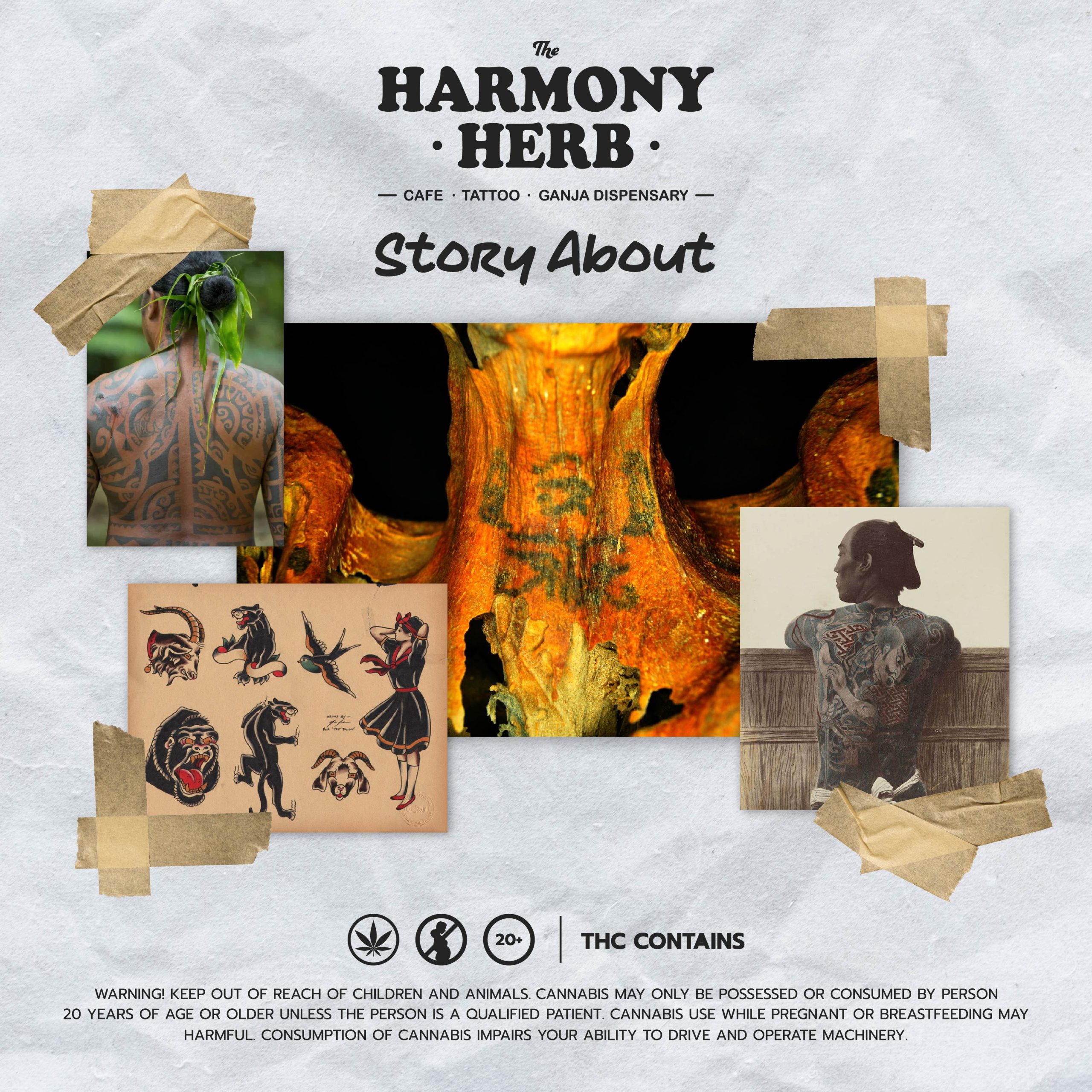
Traditional tattooing is one of the oldest and most iconic styles of body art, deeply rooted in history, culture, and artistry. Here’s a comprehensive overview of traditional tattooing, including its history, characteristics, cultural significance, and evolution.
Tattooing has been practiced for thousands of years across many cultures worldwide, from ancient Egypt and Polynesia to Native American tribes. However, when we refer to "traditional tattooing" in modern times, we often mean the Western traditional style or American traditional tattoos, which became prominent in the 20th century.
Traditional tattoos are recognized for their distinctive aesthetic, defined by the following characteristics:
These images carry symbolic meanings. For example, swallows often represent safe passage, and anchors symbolize stability or grounding.
Traditional tattooing techniques vary greatly depending on cultural context:
Traditional tattoos carry deep symbolic meaning, often tied to the wearer’s life experiences, beliefs, and identity:
While traditional tattooing had a strong presence through the mid-20th century, it began to decline as new styles like realism, watercolor, and abstract tattooing became popular. However, in recent years, there has been a resurgence in the appreciation for neo-traditional tattoos—a modern interpretation of the classic style with updated color palettes and more elaborate shading techniques.
Some key figures in the history of traditional tattooing include:
Here’s a look at some of the most iconic designs found in traditional tattooing:
Today, many tattoo artists mix traditional techniques with contemporary elements, often blending cultures or creating mash-ups of styles. Tattooing is recognized as a form of personal expression, cultural preservation, and even fine art.
Traditional tattoos represent not only body art but also a form of storytelling, heritage, and identity across cultures. Whether it’s the bold designs of Western traditional tattoos or the ceremonial significance of Polynesian tattoos, traditional tattooing remains a respected and influential style in modern body art culture.
การสักแบบดั้งเดิม เป็นหนึ่งในรูปแบบการสักที่เก่าแก่และเป็นสัญลักษณ์ที่สำคัญที่สุด ซึ่งมีรากฐานมาจากประวัติศาสตร์ วัฒนธรรม และศิลปะ นี่คือภาพรวมที่ครอบคลุมเกี่ยวกับการสักแบบดั้งเดิม รวมถึงประวัติ ลักษณะสำคัญ ความสำคัญทางวัฒนธรรม และการพัฒนา
การสักถูกนำมาใช้เป็นเวลาหลายพันปีในหลายวัฒนธรรมทั่วโลก ตั้งแต่อียิปต์โบราณ โพลินีเซีย ไปจนถึงชนเผ่าพื้นเมืองอเมริกา แต่เมื่อเราพูดถึง "การสักแบบดั้งเดิม" ในยุคปัจจุบัน มักจะหมายถึง สไตล์การสักดั้งเดิมแบบตะวันตก หรือ การสักแบบอเมริกันดั้งเดิม ซึ่งเป็นที่นิยมในศตวรรษที่ 20
การสักแบบดั้งเดิมมีเอกลักษณ์เฉพาะตัวในด้านความสวยงามที่ชัดเจน ซึ่งประกอบด้วยลักษณะสำคัญดังนี้:
ภาพเหล่านี้มักมีความหมายเชิงสัญลักษณ์ เช่น นกนางแอ่นมักเป็นตัวแทนของการเดินทางที่ปลอดภัย และสมอเรือสื่อถึงความมั่นคงหรือการตั้งหลักปักฐาน
เทคนิคการสักแบบดั้งเดิมแตกต่างกันไปตามบริบททางวัฒนธรรม:
การสักแบบดั้งเดิมมีความหมายเชิงสัญลักษณ์ที่ลึกซึ้ง ซึ่งมักเกี่ยวข้องกับประสบการณ์ชีวิต ความเชื่อ และตัวตนของผู้สวมใส่:
แม้ว่าการสักแบบดั้งเดิมจะมีบทบาทสำคัญในช่วงกลางศตวรรษที่ 20 แต่เริ่มลดลงเมื่อสไตล์ใหม่ๆ เช่น การสักแบบสมจริง (Realism) และแบบสีน้ำ (Watercolor) ได้รับความนิยมมากขึ้น อย่างไรก็ตามในช่วงไม่กี่ปีที่ผ่านมา การสักแบบดั้งเดิมได้รับความนิยมกลับมาอีกครั้งในรูปแบบของ การสักแบบนีโอ-ดั้งเดิม ซึ่งเป็นการตีความใหม่ของสไตล์คลาสสิกด้วยการใช้สีที่ทันสมัยและเทคนิคการแรเงาที่ซับซ้อนมากขึ้น
บุคคลสำคัญในประวัติศาสตร์การสักแบบดั้งเดิม ได้แก่:
นี่คือภาพรวมของการออกแบบที่โดดเด่นที่สุดในการสักแบบดั้งเดิม:
ในปัจจุบัน ศิลปินหลายคนผสมผสานเทคนิคดั้งเดิมเข้ากับองค์ประกอบที่ทันสมัย บ่อยครั้งที่นำวัฒนธรรมหลากหลายมาผสมผสานกัน การสักได้รับการยอมรับว่าเป็นรูปแบบการแสดงออกส่วนบุคคล การอนุรักษ์วัฒนธรรม และแม้แต่ศิลปะชั้นสูง
การสักแบบดั้งเดิมไม่เพียงเป็นศิลปะบนเรือนร่างเท่านั้น แต่ยังเป็นรูปแบบการเล่าเรื่อง ประวัติศาสตร์ และตัวตนที่แสดงถึงวัฒนธรรมทั่วโลก ไม่ว่าจะเป็นการออกแบบที่โดดเด่นแบบตะวันตกหรือความสำคัญทางพิธีกรรมของการสักแบบโพลินีเซีย การสักแบบดั้งเดิมยังคงเป็นที่เคารพและมีอิทธิพลในวงการศิลปะการสักในยุคปัจจุบัน
CONTACT US VIA : https://www.instagram.com/harmonyherb.thailand/
Traditional tattooing is one of the oldest and most iconic styles of body art, deeply rooted in history, culture, and artistry. Here’s a comprehensive overview of traditional tattooing, including its history, characteristics, cultural significance, and evolution.
Tattooing has been practiced for thousands of years across many cultures worldwide, from ancient Egypt and Polynesia to Native American tribes. However, when we refer to "traditional tattooing" in modern times, we often mean the Western traditional style or American traditional tattoos, which became prominent in the 20th century.
Traditional tattoos are recognized for their distinctive aesthetic, defined by the following characteristics:
These images carry symbolic meanings. For example, swallows often represent safe passage, and anchors symbolize stability or grounding.
Traditional tattooing techniques vary greatly depending on cultural context:
Traditional tattoos carry deep symbolic meaning, often tied to the wearer’s life experiences, beliefs, and identity:
While traditional tattooing had a strong presence through the mid-20th century, it began to decline as new styles like realism, watercolor, and abstract tattooing became popular. However, in recent years, there has been a resurgence in the appreciation for neo-traditional tattoos—a modern interpretation of the classic style with updated color palettes and more elaborate shading techniques.
Some key figures in the history of traditional tattooing include:
Here’s a look at some of the most iconic designs found in traditional tattooing:
Today, many tattoo artists mix traditional techniques with contemporary elements, often blending cultures or creating mash-ups of styles. Tattooing is recognized as a form of personal expression, cultural preservation, and even fine art.
Traditional tattoos represent not only body art but also a form of storytelling, heritage, and identity across cultures. Whether it’s the bold designs of Western traditional tattoos or the ceremonial significance of Polynesian tattoos, traditional tattooing remains a respected and influential style in modern body art culture.
การสักแบบดั้งเดิม เป็นหนึ่งในรูปแบบการสักที่เก่าแก่และเป็นสัญลักษณ์ที่สำคัญที่สุด ซึ่งมีรากฐานมาจากประวัติศาสตร์ วัฒนธรรม และศิลปะ นี่คือภาพรวมที่ครอบคลุมเกี่ยวกับการสักแบบดั้งเดิม รวมถึงประวัติ ลักษณะสำคัญ ความสำคัญทางวัฒนธรรม และการพัฒนา
การสักถูกนำมาใช้เป็นเวลาหลายพันปีในหลายวัฒนธรรมทั่วโลก ตั้งแต่อียิปต์โบราณ โพลินีเซีย ไปจนถึงชนเผ่าพื้นเมืองอเมริกา แต่เมื่อเราพูดถึง "การสักแบบดั้งเดิม" ในยุคปัจจุบัน มักจะหมายถึง สไตล์การสักดั้งเดิมแบบตะวันตก หรือ การสักแบบอเมริกันดั้งเดิม ซึ่งเป็นที่นิยมในศตวรรษที่ 20
การสักแบบดั้งเดิมมีเอกลักษณ์เฉพาะตัวในด้านความสวยงามที่ชัดเจน ซึ่งประกอบด้วยลักษณะสำคัญดังนี้:
ภาพเหล่านี้มักมีความหมายเชิงสัญลักษณ์ เช่น นกนางแอ่นมักเป็นตัวแทนของการเดินทางที่ปลอดภัย และสมอเรือสื่อถึงความมั่นคงหรือการตั้งหลักปักฐาน
เทคนิคการสักแบบดั้งเดิมแตกต่างกันไปตามบริบททางวัฒนธรรม:
การสักแบบดั้งเดิมมีความหมายเชิงสัญลักษณ์ที่ลึกซึ้ง ซึ่งมักเกี่ยวข้องกับประสบการณ์ชีวิต ความเชื่อ และตัวตนของผู้สวมใส่:
แม้ว่าการสักแบบดั้งเดิมจะมีบทบาทสำคัญในช่วงกลางศตวรรษที่ 20 แต่เริ่มลดลงเมื่อสไตล์ใหม่ๆ เช่น การสักแบบสมจริง (Realism) และแบบสีน้ำ (Watercolor) ได้รับความนิยมมากขึ้น อย่างไรก็ตามในช่วงไม่กี่ปีที่ผ่านมา การสักแบบดั้งเดิมได้รับความนิยมกลับมาอีกครั้งในรูปแบบของ การสักแบบนีโอ-ดั้งเดิม ซึ่งเป็นการตีความใหม่ของสไตล์คลาสสิกด้วยการใช้สีที่ทันสมัยและเทคนิคการแรเงาที่ซับซ้อนมากขึ้น
บุคคลสำคัญในประวัติศาสตร์การสักแบบดั้งเดิม ได้แก่:
นี่คือภาพรวมของการออกแบบที่โดดเด่นที่สุดในการสักแบบดั้งเดิม:
ในปัจจุบัน ศิลปินหลายคนผสมผสานเทคนิคดั้งเดิมเข้ากับองค์ประกอบที่ทันสมัย บ่อยครั้งที่นำวัฒนธรรมหลากหลายมาผสมผสานกัน การสักได้รับการยอมรับว่าเป็นรูปแบบการแสดงออกส่วนบุคคล การอนุรักษ์วัฒนธรรม และแม้แต่ศิลปะชั้นสูง
การสักแบบดั้งเดิมไม่เพียงเป็นศิลปะบนเรือนร่างเท่านั้น แต่ยังเป็นรูปแบบการเล่าเรื่อง ประวัติศาสตร์ และตัวตนที่แสดงถึงวัฒนธรรมทั่วโลก ไม่ว่าจะเป็นการออกแบบที่โดดเด่นแบบตะวันตกหรือความสำคัญทางพิธีกรรมของการสักแบบโพลินีเซีย การสักแบบดั้งเดิมยังคงเป็นที่เคารพและมีอิทธิพลในวงการศิลปะการสักในยุคปัจจุบัน
CONTACT US VIA : https://www.instagram.com/harmonyherb.thailand/